Sciatica Stretches & Nerve Mobilisation: A Relief Guide
25 May 2026Musculoskeletal Specialist in Shenfield | BodyPlus Osteopathy
1 June 2026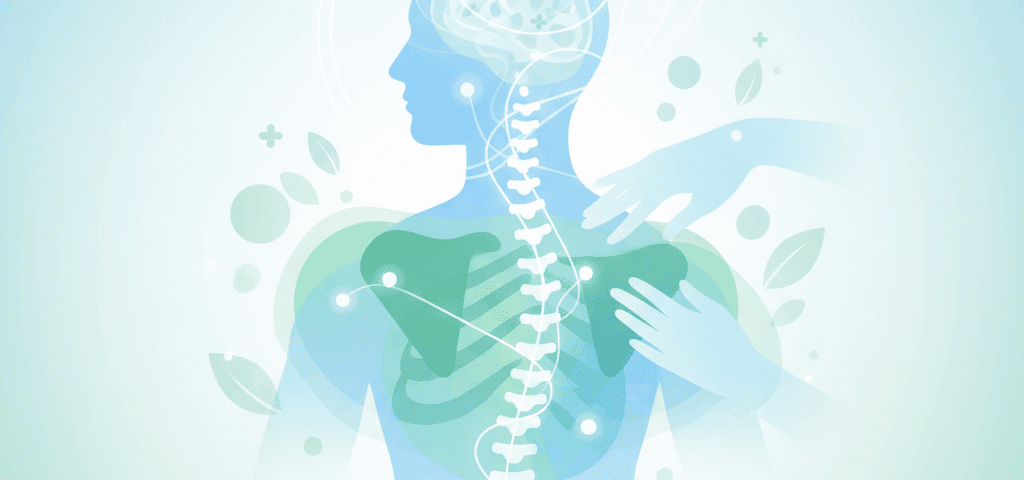
In our modern, fast-paced world, we often view the mind and the body as two separate entities. When we feel stressed or anxious, we look for mental solutions; when our muscles ache, we look for physical ones. However, at BodyPlus Osteopathy, we understand that the two are inextricably linked. The “mind-body connection” isn’t just a wellness catchphrase—it is a physiological reality.
Osteopathic Manipulative Treatment (OMT) is widely known for its effectiveness in treating back pain, sciatica, and sports injuries. Yet, an increasing body of research and clinical experience suggests that osteopathy can play a supportive role in managing mental health conditions like anxiety, depression, and chronic stress. By addressing the physical manifestations of emotional distress, osteopathy helps restore balance to the nervous system, providing a unique pathway to improved mental well-being.
How Stress Manifests in the Body
Think about the last time you felt particularly stressed or anxious. Perhaps you felt your shoulders creep up toward your ears, your chest tighten, or your jaw clench. This is the body’s “fight or flight” response in action. While this response is vital for survival in dangerous situations, many of us now live in a state of chronic low-level stress.
This persistent tension causes the muscles to remain contracted and the fascia (the connective tissue surrounding muscles) to tighten. Over time, this physical strain can lead to restricted joint mobility and poor circulation. Crucially, it sends a constant signal back to the brain that the body is under threat, creating a feedback loop that keeps your anxiety levels high. If you feel like your body is stuck in a state of high alert, it may be time to get in touch with our team to discuss how we can help break that cycle.
The Science: Osteopathy and the Nervous System
At the heart of how osteopathy supports mental health is its influence on the Autonomic Nervous System (ANS). The ANS has two main branches:
- The Sympathetic Nervous System: Responsible for the “fight or flight” response.
- The Parasympathetic Nervous System: Responsible for “rest and digest”—the state where the body repairs itself and finds calm.
Osteopathic techniques, particularly those involving the neck, spine, and craniosacral system, are designed to soothe the sympathetic nervous system and stimulate the parasympathetic response. By using gentle mobilisation and soft tissue techniques, an osteopath can help “reset” the nervous system, encouraging the body to move out of a state of panic and into a state of recovery.
The Role of the Vagus Nerve
The vagus nerve is the longest nerve of the autonomic nervous system and serves as the primary “highway” between the brain and the body’s internal organs. It plays a massive role in emotional regulation. Specific osteopathic manipulations can help reduce tension around the areas where the vagus nerve passes, potentially improving “vagal tone.” Higher vagal tone is associated with a greater ability to relax after stress, better emotional regulation, and even improved heart rate variability.
Breaking the Cycle of Pain and Low Mood
It is well-documented that chronic physical pain can lead to depression and anxiety. When you are constant discomfort, your world shrinks. You may stop exercising, avoid social outings, and experience poor sleep. This isolation and lack of movement further deteriorate mental health.
While osteopathy is not a replacement for psychological therapy or medication, it can be a vital piece of the puzzle. By reducing physical pain and improving mobility, osteopathy allows patients to return to the activities they love. When the body feels lighter and more capable, the mental burden of chronic pain begins to lift. This holistic approach is why many patients choose BodyPlus Osteopathy as part of their wider mental health support network.
What to Expect During an Osteopathic Session for Well-being
A session focused on mental well-being and stress relief may feel different from a session focused on an acute sports injury. While the assessment remains thorough, the treatment often involves:
- Gentle Soft Tissue Release: Targeting areas where stress is commonly held, such as the shoulders, neck, and diaphragm.
- Cranial Osteopathy: A very subtle form of treatment that focuses on the gentle release of tensions in the structures of the head and the base of the spine.
- Diaphragmatic Breathing Support: Stress often leads to shallow “chest breathing.” Your osteopath may work on the ribs and diaphragm to help you achieve deeper, more restorative breathing patterns.
Practical Tips for Managing Stress at Home
In addition to seeking professional care, there are several ways you can support your nervous system daily:
1. Mindful Breathing
Practice “Box Breathing”: Inhale for 4 seconds, hold for 4, exhale for 4, and hold for 4. This simple practice sends immediate signals to your brain to de-escalate the stress response.
2. Progressive Muscle Relaxation
Starting from your toes and working up to your forehead, consciously tense each muscle group for five seconds and then release. This helps you identify where you are holding unconscious tension.
3. Gentle Movement
Avoid high-intensity workouts when your stress levels are peaking. Instead, opt for restorative movements like yoga or a steady walk in nature. These activities encourage blood flow without spiking cortisol levels further.
4. Screen Breaks
The physical posture we adopt when looking at phones—rounded shoulders and a forward-leaning neck—mimics the posture of someone who is depressed or defeated. Standing tall and opening your chest can actually influence your mood positively.
A Holistic Approach to Health in Brentwood
At BodyPlus Osteopathy, we believe in treating the person, not just the symptom. We recognise that your mental health is just as important as your physical health, and that the two are deeply intertwined. Whether you are struggling with the physical toll of a stressful job, or you find that your anxiety is causing “tension headaches” and digestive issues, osteopathy offers a drug-free, non-invasive way to support your journey to wellness.
If you feel that your body is holding onto stress and you are ready to find a sense of balance, we are here to support you. Our Brentwood-based practitioners are experienced in gentle, effective techniques that prioritise your overall comfort and relaxation.
Take the first step toward a calmer, more comfortable you. Book an appointment with BodyPlus Osteopathy today and discover the benefits of a truly holistic approach to health.