Neck and Shoulder Pain Treatment in Ingatestone | BodyPlus
27 March 2026
Osteopathy Consultations in Hutton Village | BodyPlus
3 April 2026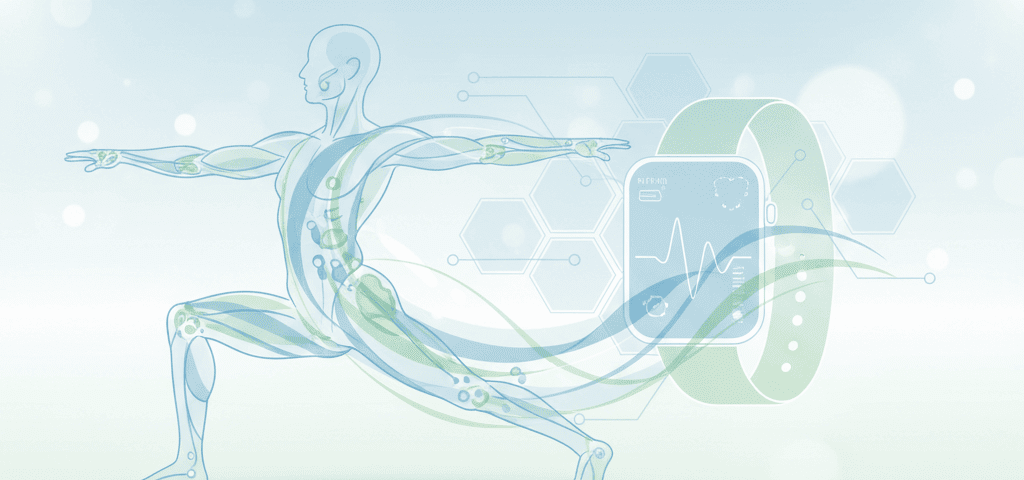
The Future of Recovery: Regenerative Therapies and Wearables
Gone are the days when sports medicine was purely about rest, ice, and basic stretching. In the modern era of health and performance, we are witnessing a fascinating shift. The marriage of biology and technology is changing the way athletes—and everyday active individuals—recover from injury and maintain their peak physical condition.
At BodyPlus Osteopathy, we believe staying informed about these advancements empowers our patients to make better decisions for their long-term health. Whether you are a marathon runner, a weekend golfer, or someone recovering from a nagging joint injury, understanding the roles of regenerative therapies and wearable tech can be a game-changer for your rehabilitation journey.
What are Regenerative Therapies?
Regenerative medicine is a branch of healthcare that focuses on repairing, replacing, or regenerating human cells, tissues, or organs to restore normal function. In the context of sports medicine, it aims to accelerate the body’s natural healing processes rather than just masking symptoms with pain medication.
Some of the most common applications include treating tendonitis, ligament sprains, and early-stage osteoarthritis. While these treatments are often associated with professional athletes, they are becoming increasingly accessible to the general public.
Types of Regenerative Treatments in Sports Medicine
- Platelet-Rich Plasma (PRP) Therapy: This involves using a concentration of a patient’s own platelets to accelerate the healing of injured tendons, ligaments, muscles, and joints.
- Prolotherapy: An injection technique used to stimulate the body’s natural healing response in weakened or damaged connective tissues.
- Shockwave Therapy: A non-invasive treatment that uses acoustic waves to trigger biological healing responses in chronic soft tissue injuries.
While these therapies offer exciting possibilities, they work best when integrated into a holistic treatment plan. If you are struggling with a persistent injury that just won’t clear up, you may want to get in touch with our team to discuss how structural support and movement therapy can complement your recovery.
The Rise of Wearable Tech in Injury Prevention
Biotechnology is only half of the story. The other half is data. Wearable technology has transitioned from simple step counters to sophisticated clinical tools that provide real-time feedback on our physiology.
In sports medicine, “pre-habilitation” (preventing an injury before it happens) is just as important as rehabilitation. Wearable devices allow us to monitor the metrics that matter most for injury prevention:
1. Biometric Monitoring (HRV and Sleep)
Heart Rate Variability (HRV) is one of the most useful indicators of recovery status. A high HRV suggests your nervous system is balanced and ready for exertion, while a low HRV can indicate overtraining or systemic stress. By monitoring sleep quality and HRV, users can decide when to push hard and when to take a rest day, significantly lowering the risk of overuse injuries.
2. Gait and Movement Analysis
Advanced sensors placed in footwear or waistbands can now track your running mechanics. They identify asymmetries in your stride, ground contact time, and impact force. This data is invaluable for osteopaths and physiotherapists to help correct movement patterns that could lead to knee or hip issues down the line.
3. Load Management
Smartwatches now estimate “Training Load.” By calculating the intensity and volume of your workouts, these devices warn you if you are increasing your activity too quickly—a leading cause of stress fractures and tendon tears.
How to Combine Tech and Therapy for Best Results
Data is only useful if interpreted correctly. A wearable might tell you that your “recovery score” is low, but it won’t tell you why your lower back is tight or why your shoulder clicks during a swim. This is where the human element of osteopathy becomes essential.
At BodyPlus Osteopathy, we encourage our patients to use their wearable data as a conversation starter. If your watch shows your sleep is consistently poor, it might be due to physical discomfort or postural stresses that we can address through manual therapy and lifestyle adjustments.
Practical Tips for Using Modern Tech in Your Recovery
To get the most out of today’s sports medicine innovations, consider these practical steps:
- Don’t over-rely on the data: Your device is a guide, not a dictator. If you feel great but your watch says you’re “depleted,” listen to your body first. Conversely, if the watch says you’re “ready” but you feel a sharp pain, don’t ignore the signal.
- Focus on the trends, not the daily fluctuations: Don’t panic over one bad night’s sleep. Look at your averages over a week or a month to see the true trajectory of your health.
- Use tech to improve your form: Many apps now offer video analysis. Recording your squats or your running form can help you spot obvious imbalances that you can then discuss with a professional.
- Combine high-tech with “low-tech”: No matter how many gadgets you have, basic habits like hydration, proper nutrition, and regular mobility work remain the foundation of health.
The Human Touch in a High-Tech World
While we embrace the advancements in regenerative medicine and wearable sensors, these tools are ultimately most effective when they support a hands-on approach to health. Osteopathy focuses on the relationship between the structure of the body and how it functions. Technology gives us the data, but osteopathy provides the context.
Whether you’re looking to harness the latest in recovery technology or simply want to move without pain, we are here to support your journey. Our practitioners can help you interpret your physical signals and create a personalised plan that incorporates movement, manual therapy, and recovery strategies.
Ready to take the next step in your performance and recovery? Book an appointment with one of our experienced clinicians today and let’s get you back to doing what you love, supported by the best of modern sports medicine.