Effective Sciatica Nerve Stretches & Mobility Guide
28 February 2026
Non-Pharmacologic Pain Management: A Natural Approach
5 March 2026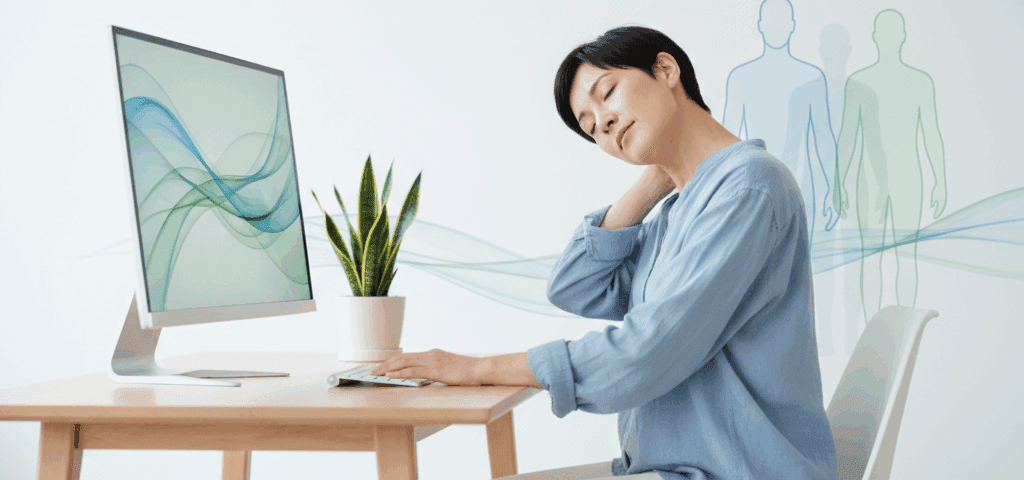
In our modern world, we often think of “medicine” as something that comes in a bottle or a tablet. However, one of the most powerful prescriptions for long-term health doesn’t require a pharmacy visit at all. It’s movement.
The concept of “Movement as Medicine” is central to how we approach care at BodyPlus Osteopathy. It suggests that physical activity is more than just a way to lose weight or build muscle; it is a fundamental tool for preventing disease, managing chronic pain, and improving overall quality of life. When we move, we trigger biological processes that help our bodies repair, adapt, and thrive.
Why Movement Is Your Best Preventive Tool
Preventive health is about making small, consistent investments today to avoid significant health hurdles tomorrow. Regular movement acts as a shield against many of the most common ailments we see in the clinic, from lower back pain to joint stiffness and even cardiovascular issues.
Here is why movement is considered such effective medicine:
- Joint Lubrication: Movement stimulates the production of synovial fluid, which acts like oil for your joints, keeping them gliding smoothly and reducing the risk of osteoarthritis.
- Circulation and Healing: Blood carries the nutrients and oxygen your tissues need to repair themselves. Movement boosts circulation, ensuring these “building blocks” reach the areas that need them most.
- Mental Health Support: Physical activity releases endorphins and dopamine, which are natural mood lifters and stress reducers.
- Structural Integrity: Regular weight-bearing movement keeps your bones dense and your muscles strong, protecting your spine and nervous system.
The Risks of Sedentary Behavior
Modern lifestyles often involve long hours of sitting—whether at a desk, in a car, or on the sofa. Over time, this lack of movement can lead to “disuse atrophy,” where muscles weaken and joints become restricted. This often manifests as that nagging ache in your lower back or tightness in your neck. If you are starting to notice these signs of stiffness, it might be time to get in touch with our team to ensure your body is moving as it should.
Breaking the “All or Nothing” Myth
One of the biggest barriers to movement is the belief that it has to be intense to count. You don’t need to run a marathon or spend hours in the gym to reap the benefits of movement as medicine. In fact, for preventive health, consistency is far more important than intensity.
Practical Ways to Incorporate Movement into Your Day
If you want to use movement as a preventive health strategy, the key is to find “movement snacks”—short bursts of activity that fit naturally into your existing routine. Here are some simple ideas to get you started:
1. The “Desk Reset”
If you work at a computer, set a timer for every 45 minutes. Spend just two minutes standing up, rolling your shoulders, and performing a few gentle neck stretches. This prevents your connective tissues from “setting” in a slumped position.
2. Incremental Walking
Walking is one of the most underrated forms of medicine. It’s low impact, requires no equipment, and supports cardiovascular health. Aim for a 10-minute walk after lunch; this has the added benefit of helping with blood sugar regulation.
3. Floor Sitting
Try spending 15 minutes of your evening relaxation time sitting on the floor instead of the sofa. The act of getting up and down from the floor engages the hips and core in ways that chairs simply don’t, promoting better functional mobility.
4. Gardening and Housework
Mowing the lawn, scrubbing floors, or weeding the garden are all functional movements that involve squatting, reaching, and lifting. These are great ways to keep your body supple while ticking off your to-do list.
How Osteopathy Supports Your Movement Journey
Sometimes, the “Movement as Medicine” approach feels difficult because movement itself causes pain. This is where professional guidance becomes essential. At BodyPlus Osteopathy, we don’t just treat the symptoms; we look at the whole body to identify why certain movements might feel restricted or uncomfortable.
Our role is to remove the “roadblocks” to your movement. This might involve:
- Manual therapy to release tight muscles and improve joint mobility.
- Postural assessments to identify imbalances that lead to strain.
- Personalized exercise advice to help you build strength safely.
By optimizing how your body functions, we make it easier and more enjoyable for you to stay active, turning movement from a chore into a lifestyle.
Summary: Listen to Your Body
Movement as medicine is not a one-size-fits-all approach. What works for a 20-year-old athlete will look very different from what works for someone in their 70s. The common goal is to keep the body moving within its healthy range of motion to prevent the “stiffness cycle” from taking hold.
Remember, your body was built to move. When you prioritize physical activity, you are giving your body the best possible chance to age gracefully, recover quickly from injury, and maintain high energy levels.
Ready to take the next step in your health journey?
If you have been feeling stiff, restricted, or are struggling to get back into a regular routine due to old injuries, we are here to help. Our team can provide a comprehensive assessment and a tailored plan to get you moving freely again. Don’t wait for a small ache to become a big problem—take a proactive step for your long-term wellbeing and book an appointment with us today.