Sports Injury Rehab Trends 2026 | BodyPlus Osteopathy
13 April 2026
Expert Osteopath in Brentwood | BodyPlus Osteopathy Care
20 April 2026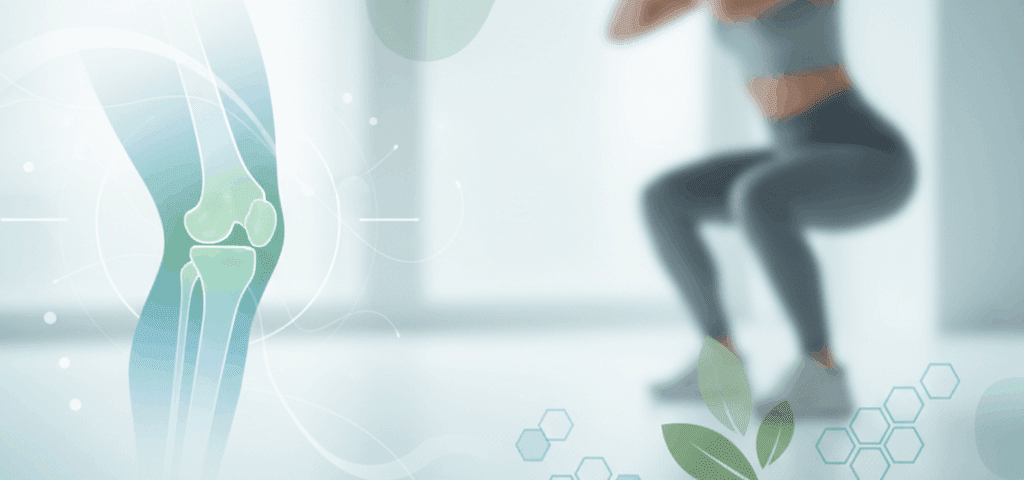
Navigating Modern Approaches to Knee Osteoarthritis Management
Knee osteoarthritis (OA) is one of the most common causes of joint pain and stiffness in the UK. For many, a diagnosis of “wear and tear” can feel like an inevitable decline toward surgery. However, the landscape of knee health is changing. We are moving away from the old-fashioned “rest and wait” approach toward proactive, lifestyle-integrated management.
At BodyPlus Osteopathy, we see firsthand how new trends in movement science and manual therapy are helping patients stay active, reduce pain, and delay—or even avoid—invasive procedures. In this guide, we explore the latest trends in managing knee osteoarthritis and how you can take control of your joint health today.
1. Moving from “Wear and Tear” to “Repair and Recondition”
For decades, patients were told that their knees were simply “wearing out” like tyres on a car. Modern research has turned this concept on its head. We now understand that bone and cartilage are living tissues that respond to the right kind of stress.
The trend is now focusing on therapeutic loading. Rather than avoiding movement, the goal is to find the “sweet spot” of activity that encourages the joint to remain resilient. This involves specific, graded exercises that strengthen the muscles supporting the knee, particularly the quadriceps and glutes, to take the pressure off the joint surface itself.
2. The Rise of “Prehab” and Conservative Care
One of the most significant shifts in healthcare is the emphasis on conservative management before considering surgery. High-quality manual therapy, such as osteopathy and physiotherapy, is now at the forefront of knee care. These treatments focus on:
- Joint Mobilisation: Improving the glide and range of motion within the knee joint.
- Addressing Compensatory Patterns: Often, knee pain is exacerbated by issues in the hip or ankle. A holistic approach ensures the whole leg is working efficiently.
- Soft Tissue Release: Reducing tension in the muscles surrounding the knee to alleviate pulling and pressure.
If you are struggling with persistent stiffness, it may be time to get in touch with our team to discuss a tailored conservative management plan.
3. Weight Management Beyond the Scales
It is well-known that carrying extra weight puts more physical pressure on the knees. However, new research highlights a biochemical link as well. Fat tissue is metabolically active and can produce pro-inflammatory chemicals that may worsen joint pain.
The current trend in osteoarthritis management isn’t just about “dieting”; it’s about an anti-inflammatory lifestyle. This includes:
- Whole Food Nutrition: Prioritising omega-3 fatty acids, antioxidants, and fibre.
- Low-Impact Consistency: Engaging in activities like swimming or cycling that burn calories without jarring the joints.
- Sleep Hygiene: Quality sleep is essential for systemic inflammation control and tissue repair.
4. Personalised Biomechanics and Footwear
We are seeing a move away from “one-size-fits-all” knee braces. Modern management involves a deep dive into an individual’s biomechanics. This might include gait analysis to see how your foot strike affects your knee alignment. Small changes, such as supportive footwear or bespoke orthotics, can significantly alter the load distribution across the knee, providing immediate relief for many sufferers.
5. The Biopsychosocial Approach: The Mind-Body Connection
Perhaps the most important trend is the recognition that pain is not just about what shows up on an X-ray. Many people have significant “wear and tear” on an MRI but feel no pain, while others have mild changes but high levels of discomfort.
Modern management addresses the psychology of pain. Stress, anxiety, and fear of movement (kinesiophobia) can actually “ramp up” the nervous system, making pain feel more intense. Education is a powerful tool here—understanding that your knee is strong and capable of movement can actually help dial down the pain signals sent to the brain.
Practical Tips for Managing Your Knee Health
While professional guidance is vital, there are several steps you can take at home to manage your symptoms effectively:
- The “Little and Often” Rule: Avoid sitting for more than 30 minutes at a time. Gentle movement keeps the “synovial fluid” (the joint’s natural lubricant) circulating.
- Strength is Support: Focus on exercises that strengthen the front of your thigh. Even seated leg extensions can make a difference over time.
- Use Heat and Cold Wisely: Use a cold pack for acute swelling after activity, and a warm pack to soothe stiff muscles in the morning.
- Pace Yourself: Don’t try to “power through” significant pain. Note your activity triggers and gradually build your tolerance.
Why Choose Osteopathy for Knee Osteoarthritis?
Osteopathy is uniquely suited to managing osteoarthritis because it looks at the person as a whole. A knee is never just a knee; it is part of a complex chain including the lower back, pelvis, and feet. By ensuring these areas are functioning optimally, we can reduce the mechanical stress on your knee joint, helping you maintain your independence and lifestyle.
Conclusion: Taking the Next Step
Osteoarthritis doesn’t have to mean the end of your active life. By embracing modern management trends—focusing on movement, strength, and holistic wellbeing—you can manage your symptoms and continue doing what you love. Whether you are in the early stages of discomfort or are looking for ways to delay surgery, a proactive approach is your best tool.
At BodyPlus Osteopathy, we specialise in helping patients navigate joint health with confidence. If you’re ready to start your journey toward better mobility, Book an appointment today for a comprehensive assessment and a personalised management plan.